


Site Electrical Testing and EV Charging
Fyfe Wilson provides electrical inspection and testing services, including Electrical Installation Condition Reports (EICRs), alongside electric vehicle charger installation. Based in Harlow, Essex, our experienced electricians support domestic, commercial and light industrial customers with electrical testing, fault finding and EV charging installations.
Electrical Testing
Fyfe Wilson has a team of experienced electricians who are NICEIC registered and hold relevant electrical installation qualifications and safety credentials. These include Level 3 certificates for electrical installations, JIB/ECS certification and SPA safety passports.
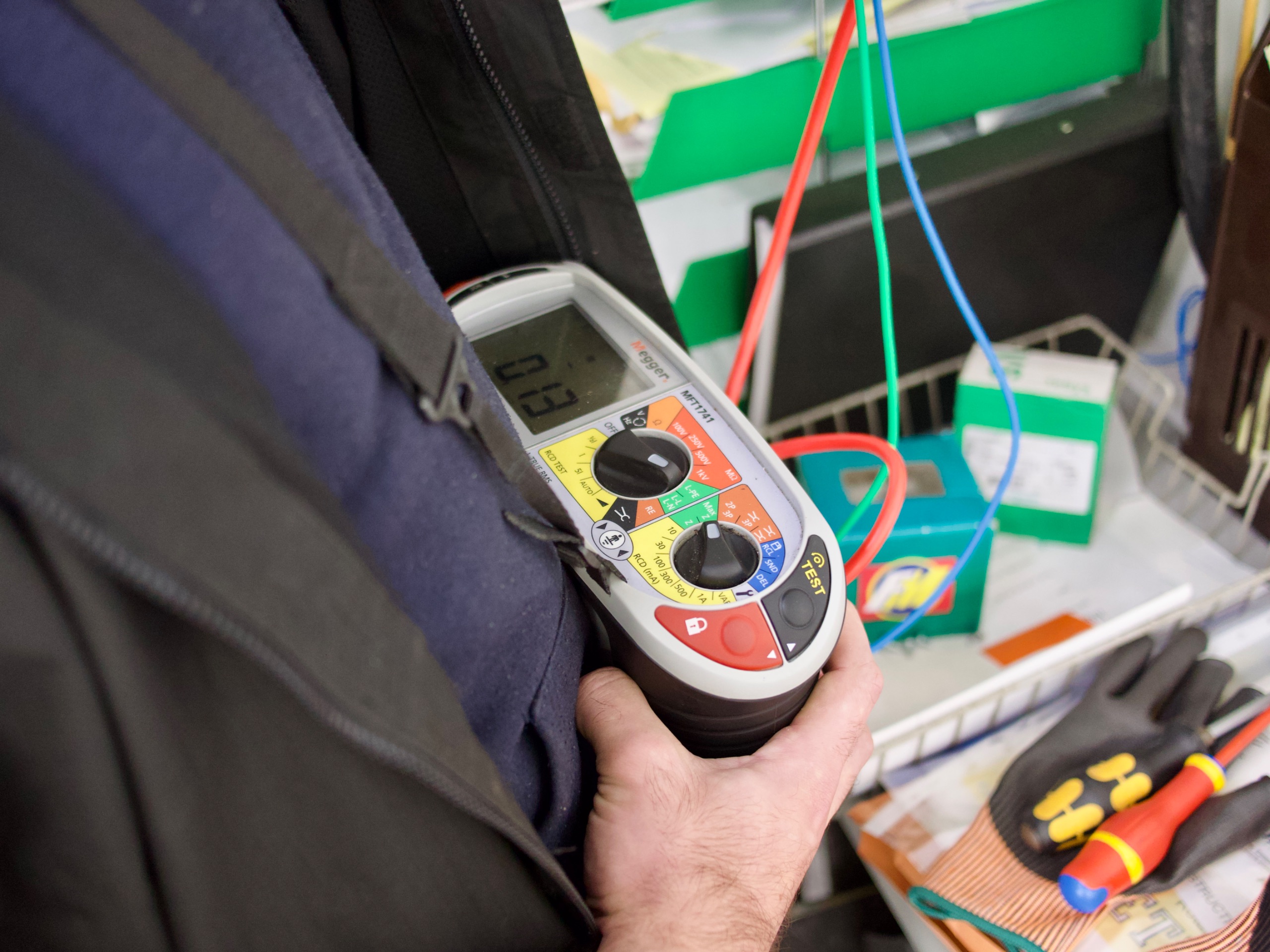
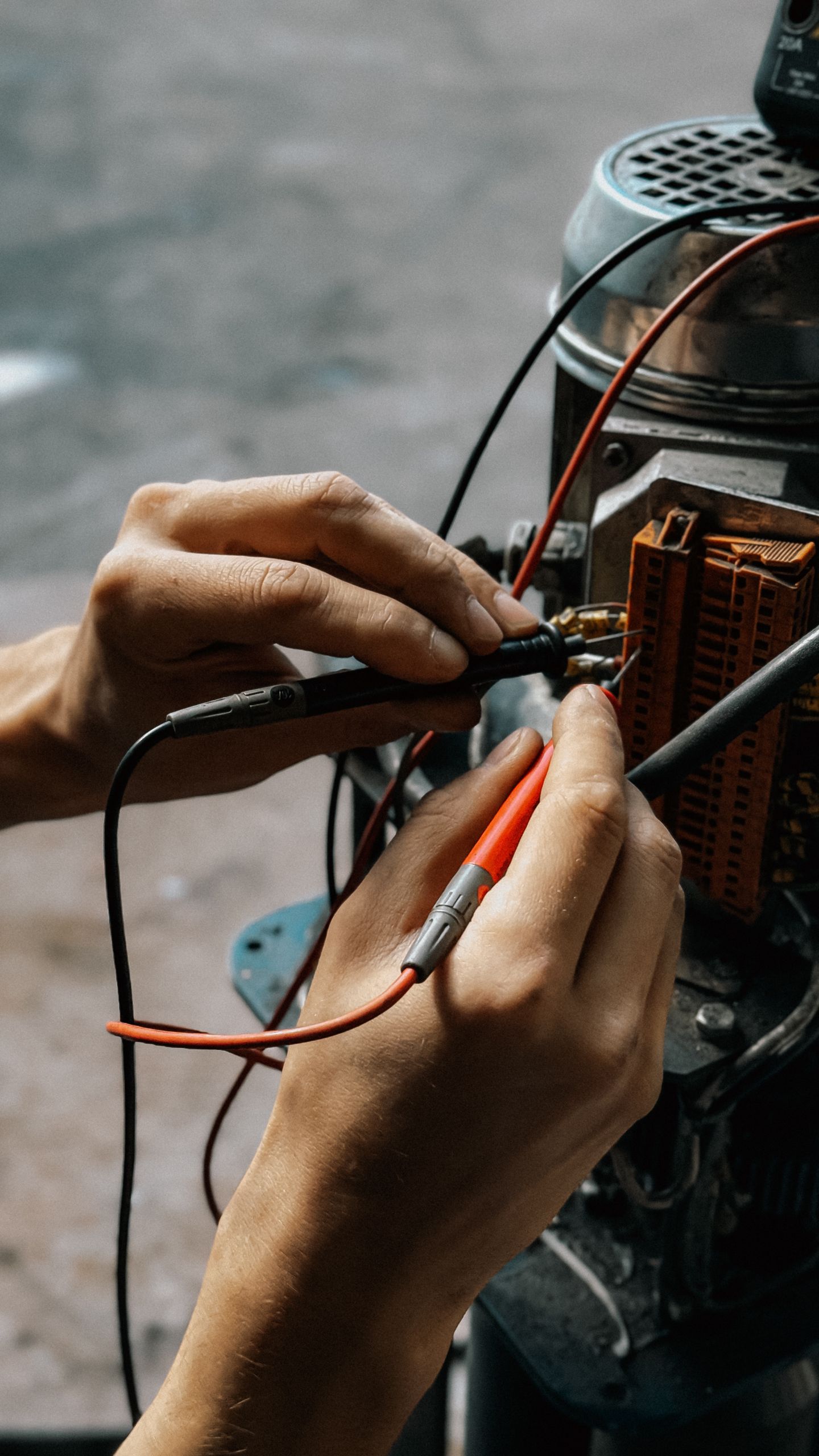
We carry out periodic inspection and testing of electrical installations to assess their condition and identify potential faults, deterioration or safety concerns. Regular inspection is an important part of maintaining electrical systems and helping businesses meet their responsibilities under the Electricity at Work Regulations 1989.
Electrical Installation Condition Reports (EICRs)
Following an inspection, Fyfe Wilson provides an Electrical Installation Condition Report (EICR), recording the condition of the electrical installation and identifying any defects or remedial work that may be required.
An EICR can be particularly important for commercial and industrial premises, where electrical inspections may be required as part of insurance, maintenance or property management arrangements.
Our inspection and testing service includes:
- Inspection and testing of electrical installations.
- Identification of electrical faults and potential safety issues.
- Assessment of the condition of existing electrical systems.
- Preparation of Electrical Installation Condition Reports (EICRs).
- Recommendations for any remedial work required.
Electrical Remedial Work
If an inspection identifies faults or areas requiring attention, Fyfe Wilson can provide a free, no-obligation quotation for the recommended remedial work.
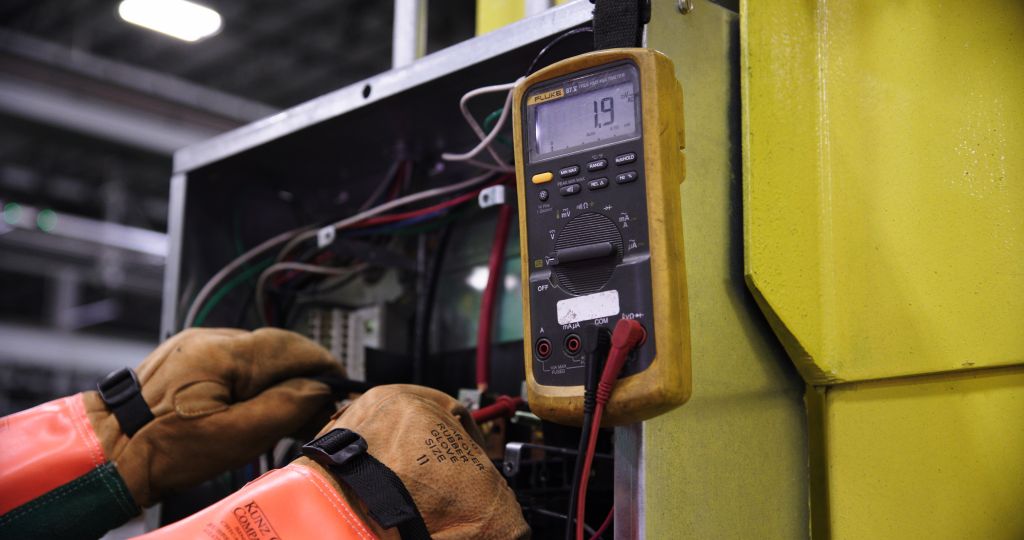
Our electricians can investigate and address identified issues, helping to improve the condition and safety of the electrical installation. Once the necessary work has been completed, the relevant inspection and reporting documentation can be updated as appropriate.
For electrical breakdowns and fault finding, a 24-hour service is also available by arrangement.
EV Charger Installation
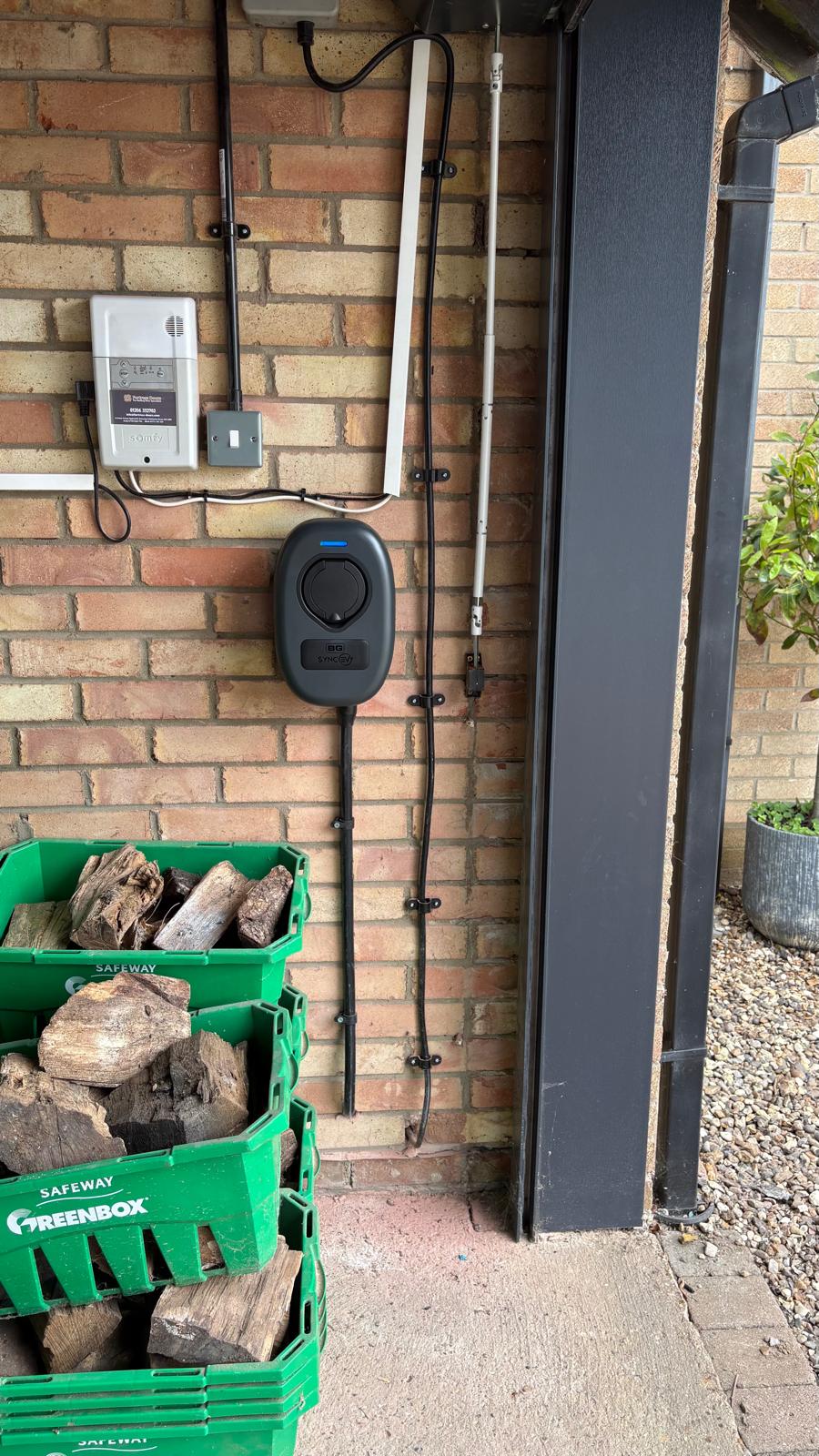
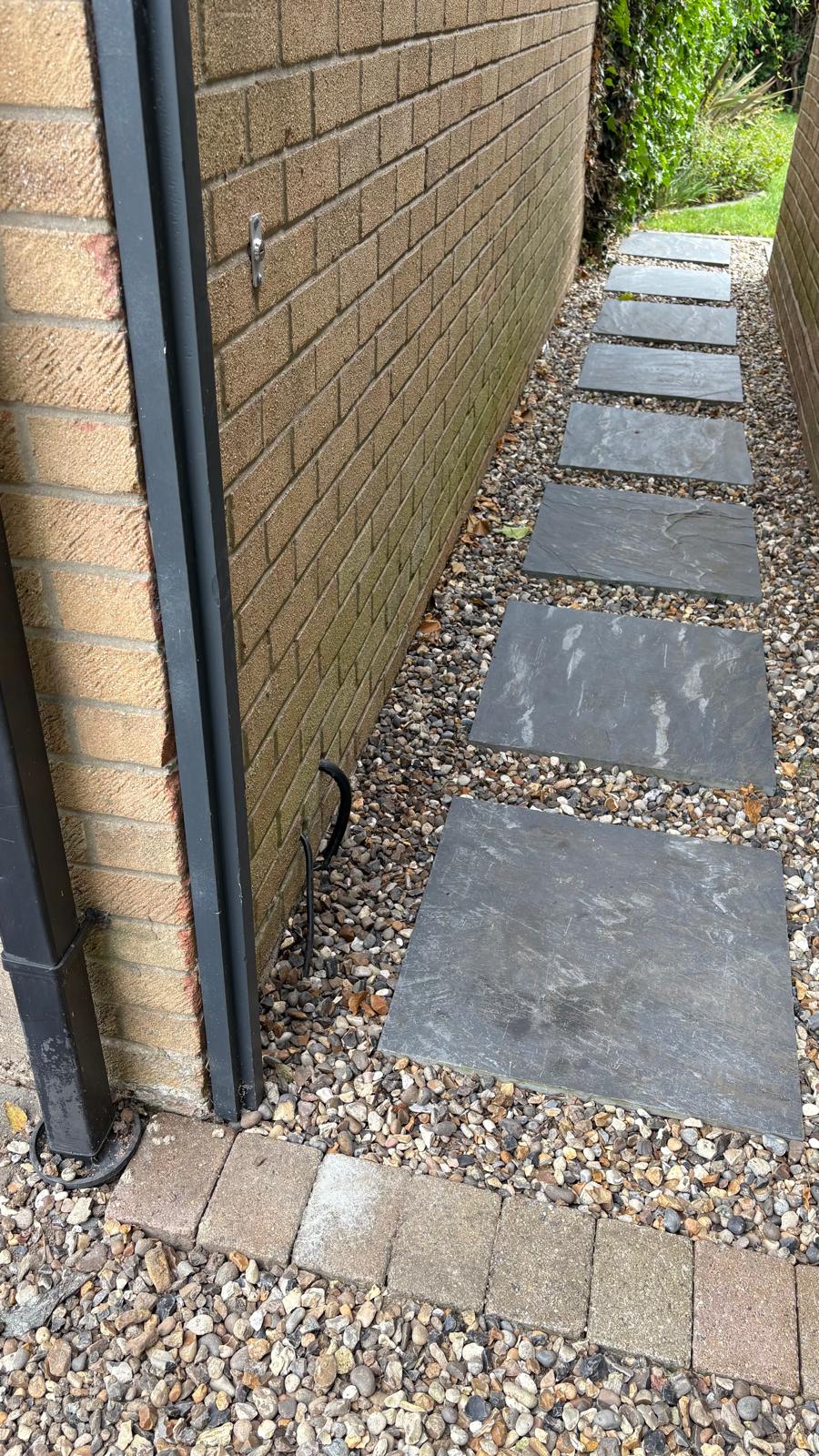
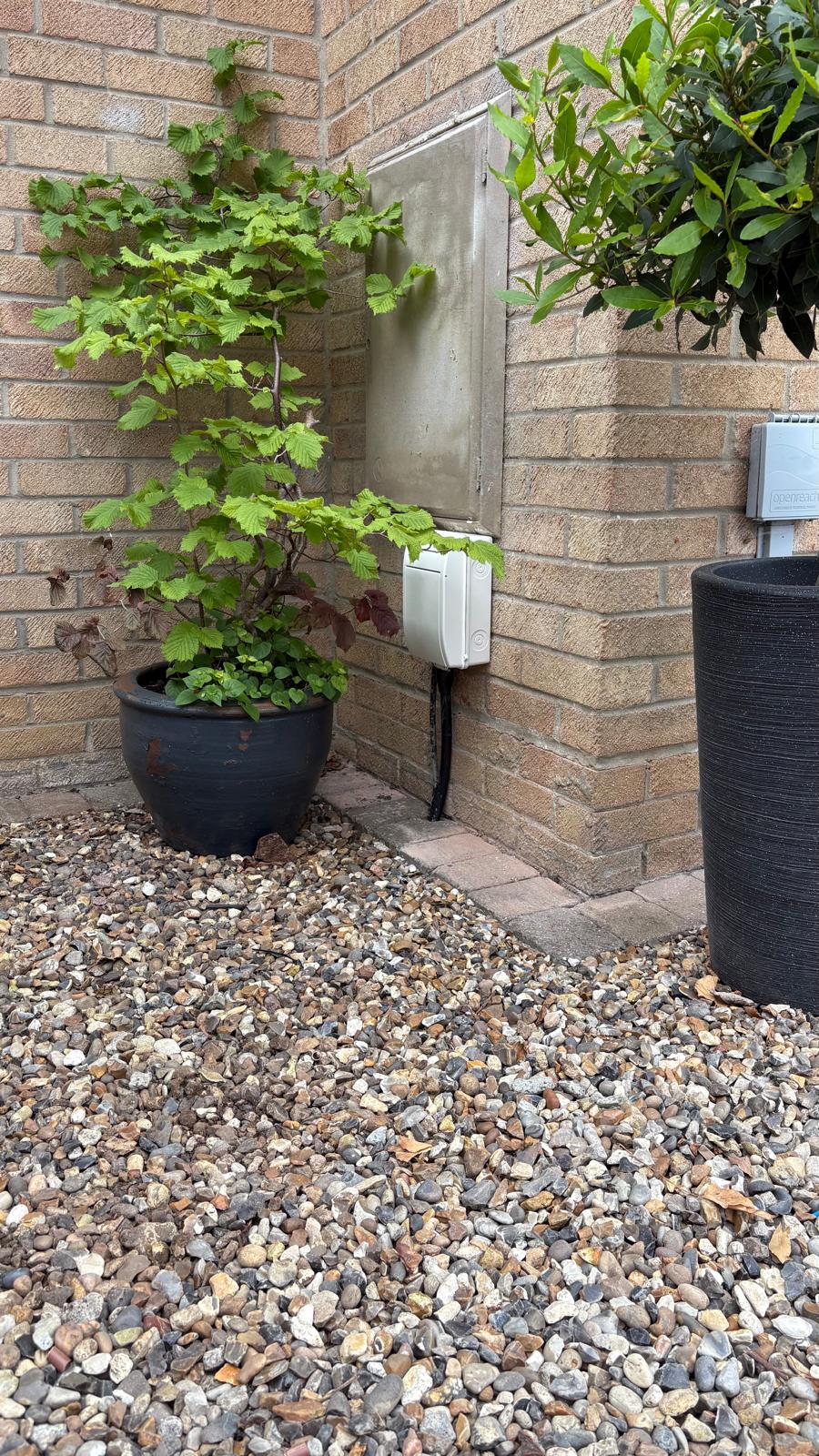
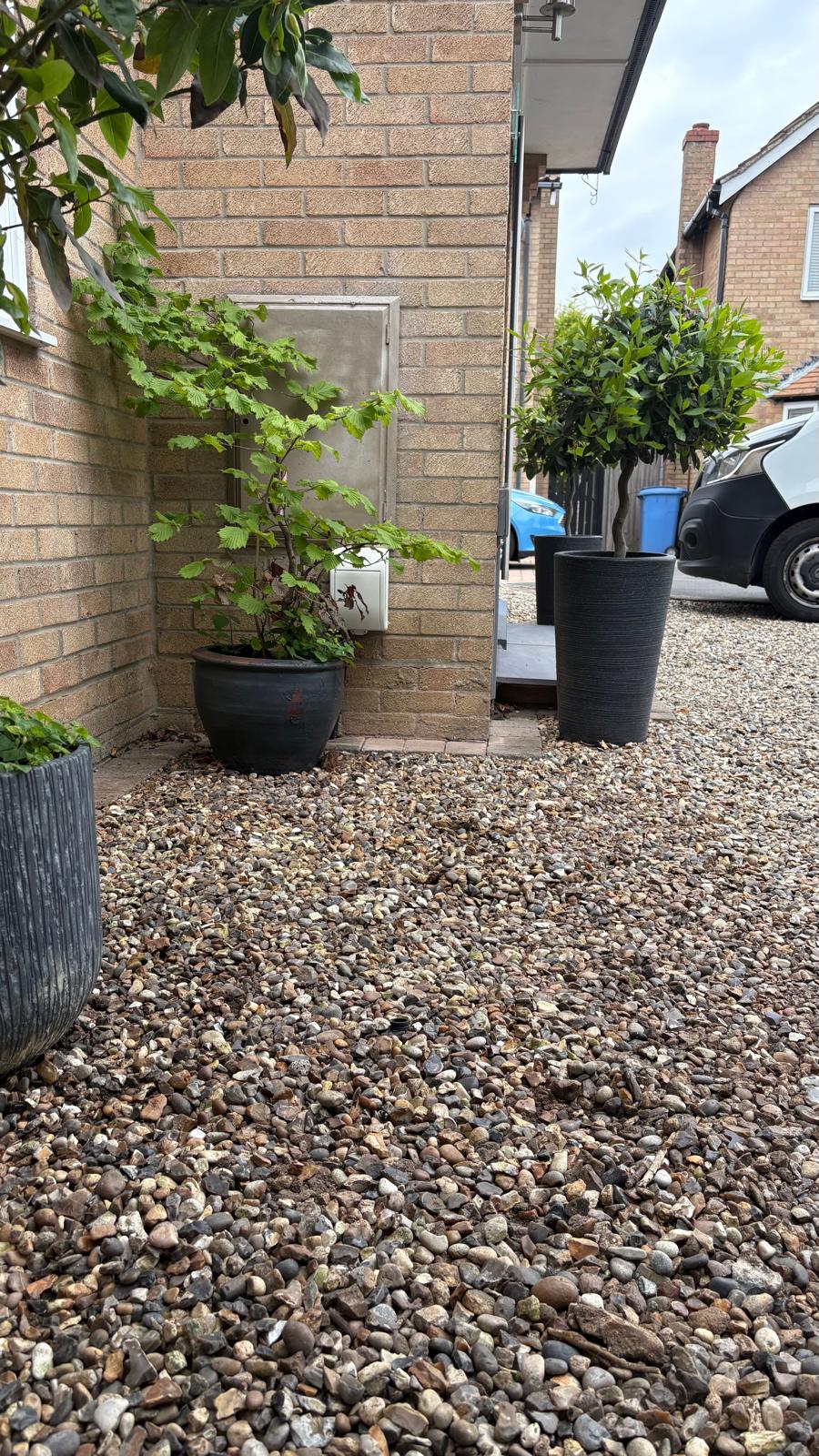
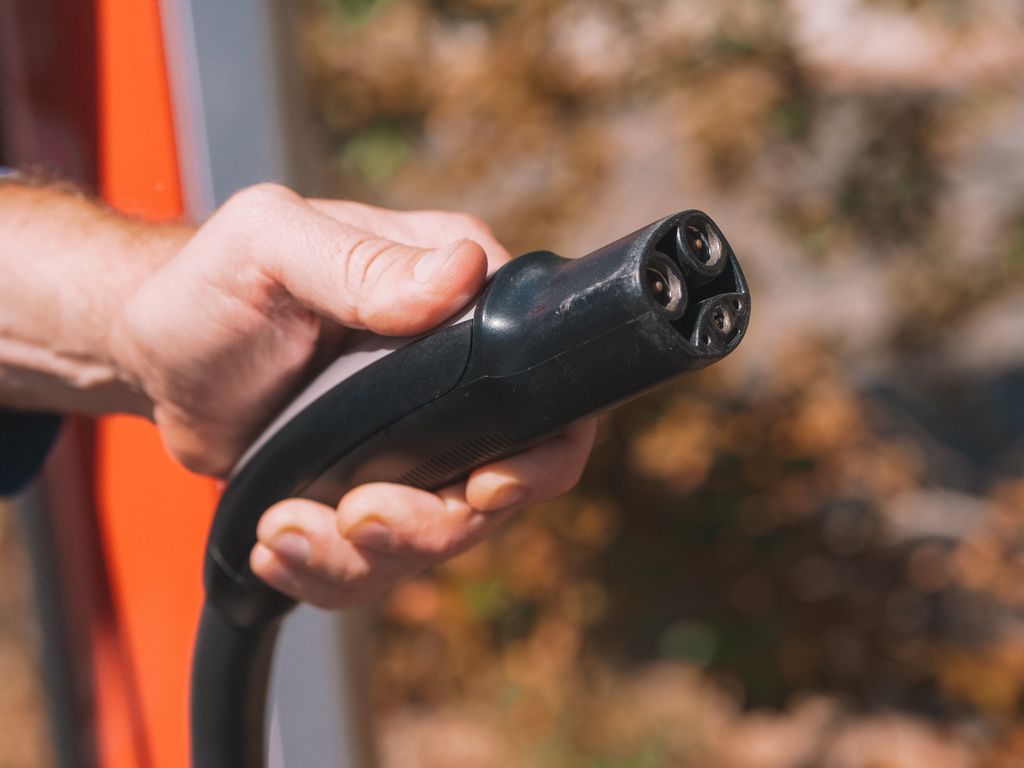
Whether you are looking to install a charging point at home or provide charging facilities at a light industrial premises, our electricians can discuss the available options and installation requirements.
We can help assess the proposed installation and identify suitable charging equipment for the application.
Contact Fyfe Wilson to discuss your EV charging requirements.
EV Charging
Fyfe Wilson’s electricians are trained by NICEIC to install electric vehicle charging equipment for domestic and light industrial applications.
As more homes and businesses make the move towards electric vehicles, having suitable charging facilities is an important consideration. We can help customers understand the available charging options and arrange installation of equipment to suit their property, electrical supply and intended use.
Types of EV Charging
There are different types of electric vehicle charging equipment, with charging speeds depending on the charger’s power output, the vehicle and the available electrical supply.
AC Charging
AC charging is commonly used for home and workplace charging. Charging points can be installed on a wall or a suitable post and are available with different power outputs. The charging speed will depend on the equipment installed and the vehicle’s onboard charging capability.
DC Rapid Charging
DC charging supplies power directly to the vehicle’s battery and is generally associated with higher-powered charging installations. These chargers are more commonly used at commercial charging locations, service stations and fleet facilities.
The most suitable charging equipment will depend on how and where the vehicle is used, the available electrical supply and the charging requirements. Fyfe Wilson can discuss domestic and light industrial installation requirements with you.
Why Choose Fyfe Wilson?
Founded in 1919, Fyfe Wilson has more than a century of engineering experience. Our electrical team combines practical site experience with specialist knowledge of electrical installations, inspection and testing.
Our electricians hold relevant industry qualifications and safety credentials, including NICEIC registration, Level 3 electrical installation certificates, JIB/ECS certification and SPA safety passports.
Our electrical services include:
- Periodic inspection and testing of electrical installations.
- Electrical Installation Condition Reports (EICRs).
- Identification of electrical faults and recommended remedial work.
- Electrical repairs and fault-finding support.
- EV charger installation for domestic and light industrial applications.
- Breakdown support available by arrangement.
FAQs
Everything you need to know about site electrical testing and EV charging.